
√ A c c e p t a b l e f o o d w a s t e
The machine is capable of decomposing anything digestable for human
Small Amount and Cut Up
Please make sure to cut large chunks into small pieces to prevent entangling in the mixing rod

Fruits,Peels

Cheese

Meat

Noodles

Grains

Bread

Cookies

Kooked Eggs
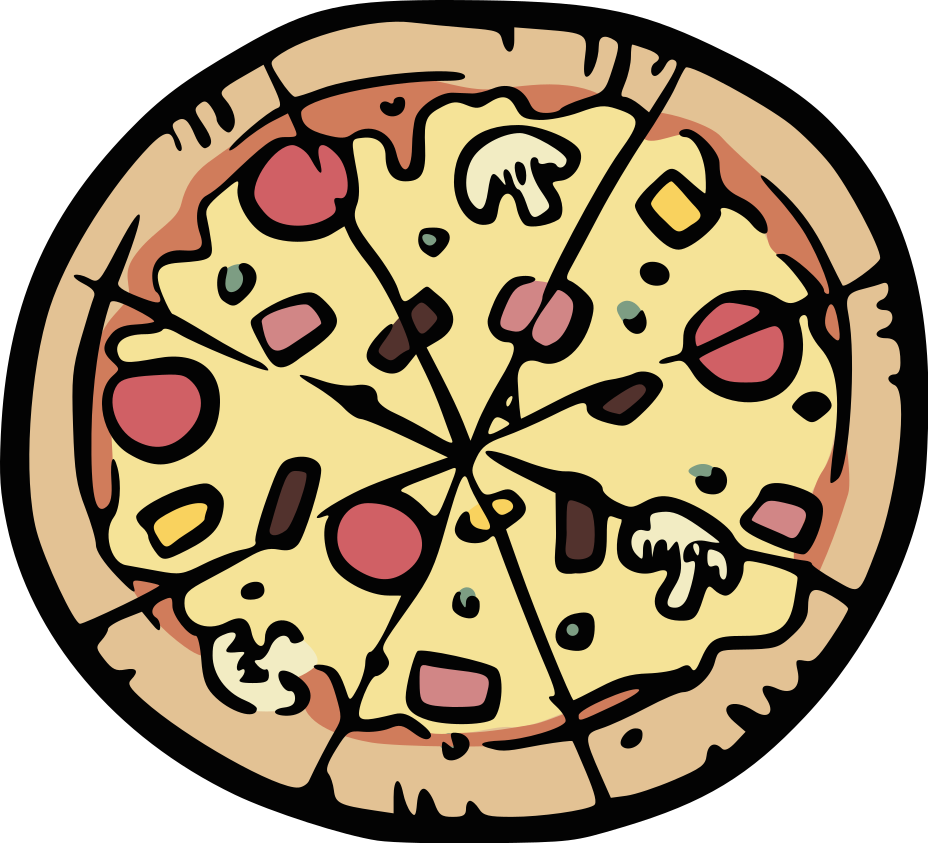
Pizza

Watermelon Rind

Garlic

Peanut Butter/Nutella

Vegetables

Sausage

Sweet Corn

Cooking Oil

Coffee Ground

Salami
× Unacceptable!
Do not feed something hard and inedible for human, malfunction and failure may occur

Large Bones

Glass

Plastics

Pit,Kernel

Animal Shell

Cigarette/Medicine

Metal

Wood
Turning Waste Into Worth
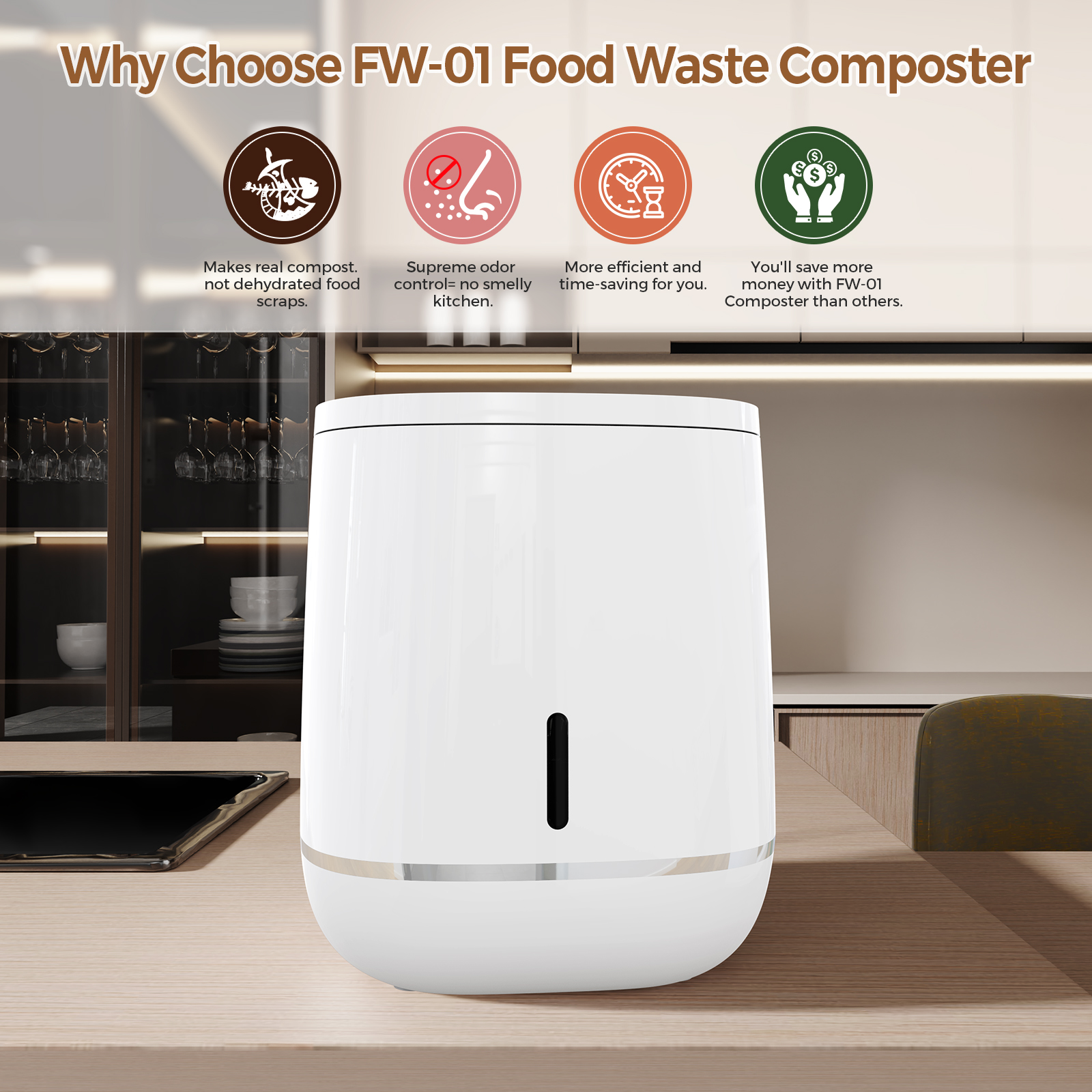
The 4L Large Indoor Electric Composter is designed for family kitchens, holding a full day’s food waste in one bin. It features strong odor adsorption to keep your kitchen air fresh and prevent pests.
With a thick aluminum blade grinding system powered by a high-torque motor, it reduces waste volume by 85% and increases grinding efficiency by 83%, saving up to $7,300 annually.
Operating quietly under 38dB, it offers simple one-button use for various waste types. The self-cleaning cast aluminum bucket is dishwasher safe, and included trays manage water vapor, extending the machine’s lifespan.
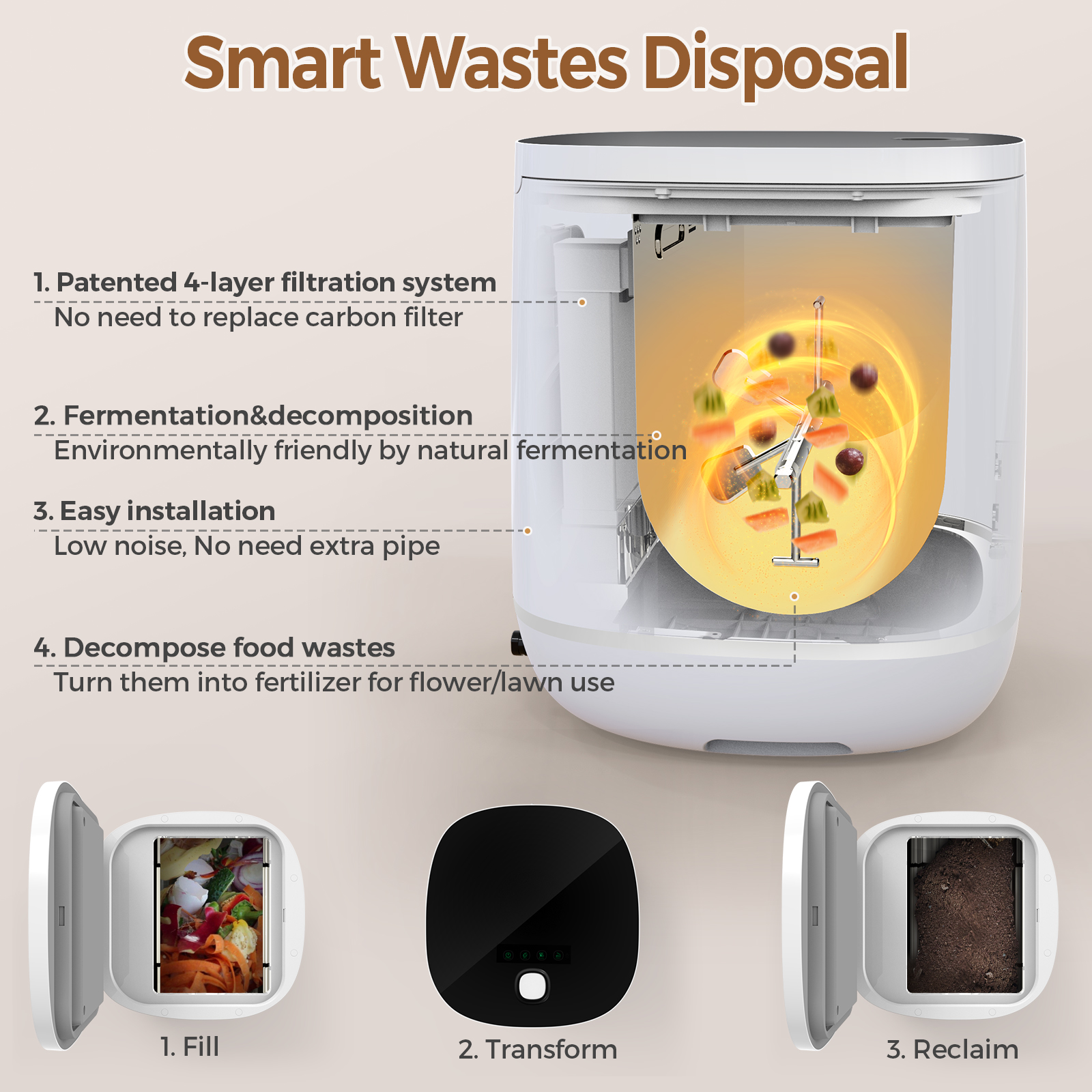
How a Countertop FG-02 Food Composter Works
1. Add Your Food Waste--Place daily kitchen scraps—like vegetable peels, leftovers, and tea grounds—into the composting chamber.
2. Grind and Shred (Optional on Some Models)--Built-in blades or mixing paddles break the waste into smaller pieces, helping speed up the composting process.
3. Heat and Dehydrate--The system gently heats the waste to remove moisture and sanitize the contents. This reduces volume and helps eliminate odors.
4. Stir and Cool --The machine stirs the materials at intervals to ensure even processing. Some models also cool the compost before it's ready.
5. Collect Your Compost--Once complete, retrieve the dry, odor-free compost—perfect for plants, gardens, or easy disposal.
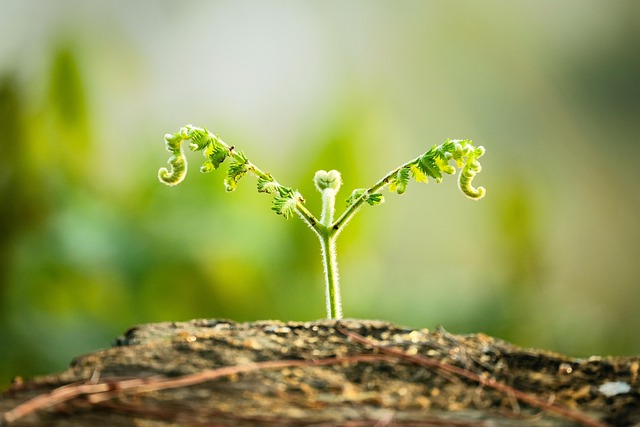
How should we deal with the kitchen waste in our daily life?
Properly sorting and composting kitchen waste like peels and leftovers turns it into organic fertilizer, reducing cleanup hassle and saving energy otherwise used in decomposition.

Is Decomposed Food the Secret to Healthier Soil?
Compost, made from food and plant waste, enriches soil, boosts water retention, supports microbes, and promotes plant growth—while aiding environmental sustainability.
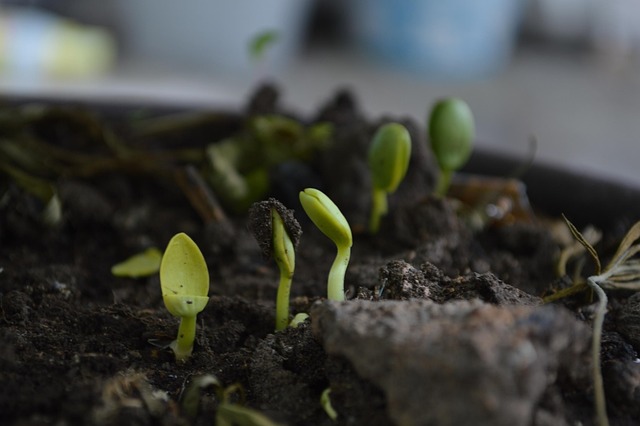
Is All Food Waste Compostable at Home?
Meat, bones, and cooked food aren't suitable for home composting due to low temperatures, hygiene risks, and pests. They should go in designated food waste bins to ensure safe, effective composting.
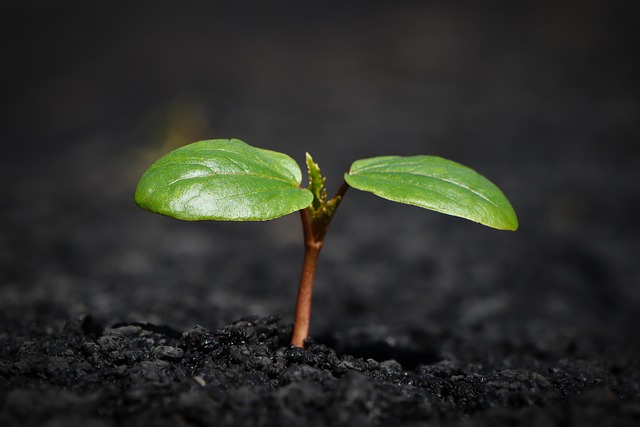
Can Your Leftovers Do More Than Just Rot?
Kitchen waste includes raw and cooked food scraps like peels, leftovers, and expired food. When properly sorted and managed, it can be recycled into compost or energy, reducing waste and adding value.
